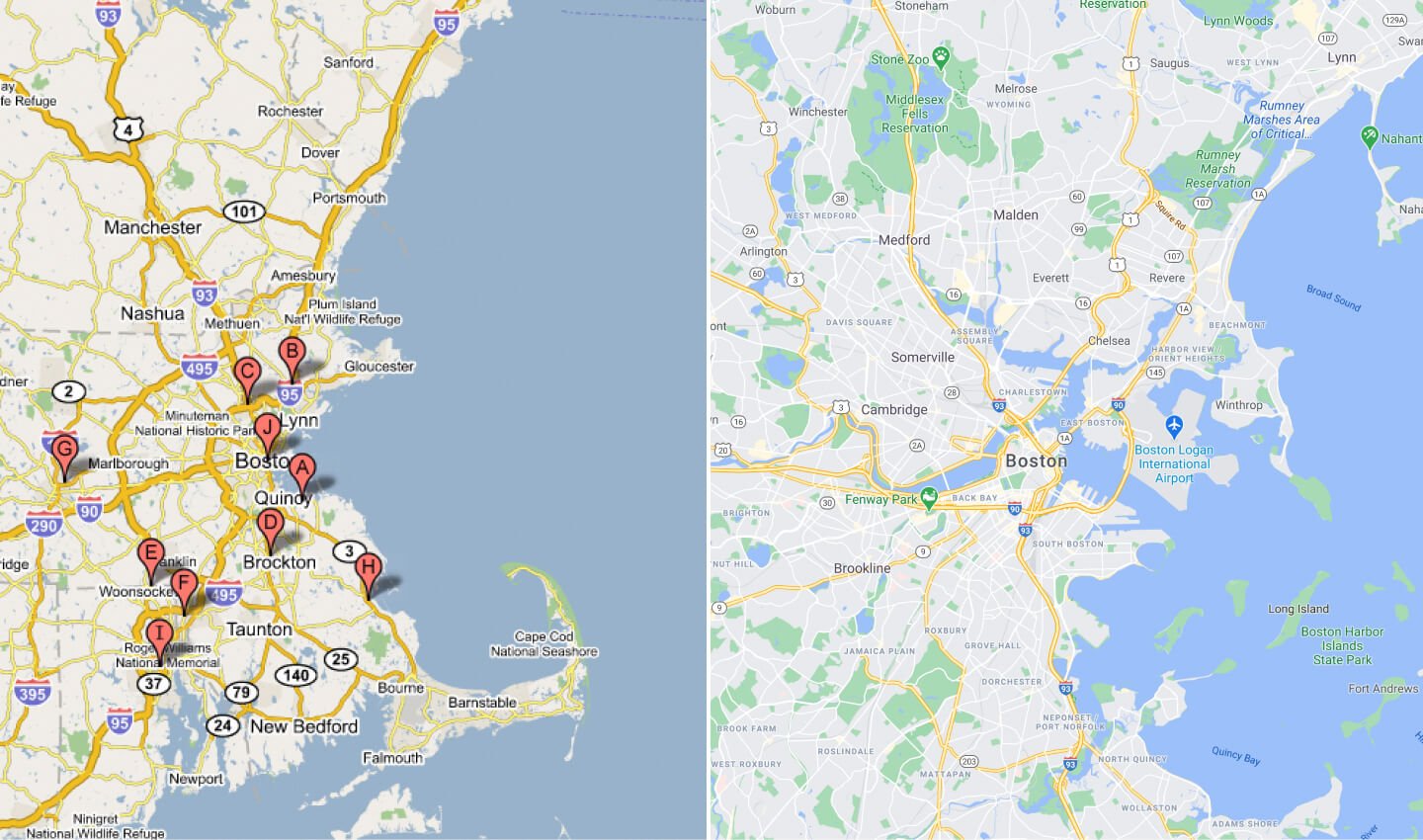
Google Maps has come a long way since its inception. What started as a simple digital map service has evolved into a multifaceted tool, integral to our daily lives. This article explores the journey of Google Maps, tracing its evolution from a basic navigation tool to a complex and sophisticated application that does more than just show us the way.
The Early Days: A Digital Mapping Revolution
Google Maps was launched in 2005, forever changing how we perceive and use maps. Initially, it was a straightforward tool providing point-to-point directions. The early version of Google Maps was a significant improvement over traditional paper maps, offering ease of use and accessibility that was unprecedented at the time.
Introducing Satellite View and Street View
One of the first major enhancements to Google Maps was the introduction of Satellite View, giving users a bird’s-eye view of the world. This feature was soon followed by the groundbreaking Street View in 2007. Street View provided panoramic, street-level imagery, allowing users to virtually explore cities and neighborhoods as if they were there in person.
The Rise of Real-Time Traffic Data and Navigation
As smartphones became more prevalent, Google Maps integrated real-time traffic data, revolutionizing how we navigate. This feature transformed Google Maps from a static mapping service to a dynamic navigation tool, offering alternate routes based on current traffic conditions.
Expansion into Business and Local Search
Google Maps then expanded its functionality to include business listings and local search capabilities. Users could not only find directions but also discover local businesses, view their hours of operation, read reviews, and even see photos of the location.
Personalization and Machine Learning
The integration of machine learning algorithms marked a significant leap forward. Google Maps began offering personalized recommendations based on users’ search history and preferences. This personalization made the app more intuitive and user-friendly, providing tailored suggestions for restaurants, events, and places to visit.
Offline Maps and Accessibility Features
Recognizing the need for navigation in areas with limited internet access, Google introduced offline maps. This feature allowed users to download maps and access them without an internet connection. Additionally, Google Maps enhanced its accessibility features, providing vital information for users with disabilities, such as wheelchair-accessible routes and facilities.
Advanced Features: Augmented Reality and Eco-Friendly Routes
The introduction of augmented reality (AR) in Google Maps with the ‘Live View’ feature marked another innovative step. This AR integration overlays digital directions onto the real world when viewed through a smartphone camera, making navigation more interactive and intuitive. Furthermore, in its commitment to sustainability, Google Maps started offering eco-friendly route options, prioritizing routes that consume less fuel.
Google Maps Today: A Comprehensive Tool for Modern Life
Today, Google Maps is more than just a navigation app; it’s a comprehensive tool that aids in travel planning, business exploration, social activities, and much more. Its continuous updates and additions reflect Google’s commitment to improving user experience and keeping pace with the ever-changing needs of modern society.
Conclusion
The evolution of Google Maps is a testament to technological advancement and innovation. From its humble beginnings as a digital map to becoming a versatile tool embedded in our daily routines, Google Maps has not only changed how we navigate but also how we interact with the world around us. As it continues to evolve, we can only anticipate more groundbreaking features that will further integrate Google Maps into the fabric of our everyday lives.


