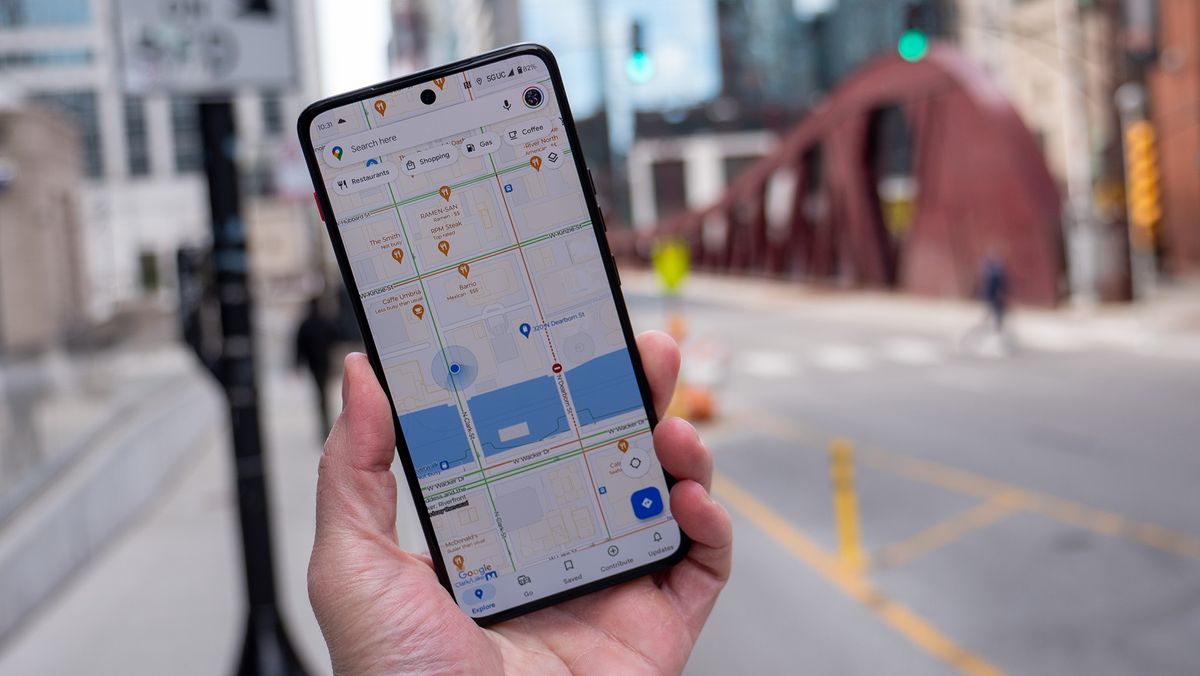
Urban exploration is an exhilarating experience. It’s about discovering the hidden nooks, historical landmarks, and unique cultural spots that make a city special. In this age of digital technology, one of the most powerful tools for urban exploration is right in our pockets – Google Maps. This article delves into how Google Maps can be used to unearth new and exciting places in your city, enhancing your urban adventures.
Unlocking the City’s Secrets with Google Maps
At its core, Google Maps is a navigation tool, but for the urban explorer, it serves as a digital compass pointing towards undiscovered urban treasures. The app goes beyond simple directions, offering layers of information that bring the city to life. Whether it’s a hidden alley known for its street art, a historic building tucked away from the main street, or a new cafe that’s just opened, Google Maps can lead you there.
1. Start with the Basics: Location Search and Reviews
The journey of urban exploration on Google Maps begins with the basic search function. Type in what you’re interested in, be it “art galleries”, “historic sites”, or “live music venues”, and Google Maps will display a variety of options in your vicinity. The integrated reviews and photos provide a sneak peek into these places, helping you decide which spots resonate with your interests.
2. Delving Deeper with Street View
Street View is a feature that allows you to virtually walk the streets of the city. This immersive experience can be used to scout out areas you’re interested in. You can explore a neighborhood’s streets, check out the facade of buildings, and even discover places that you might miss in a regular search, like small boutiques, galleries, or cafes.
3. Using Layers to Enhance Exploration
Google Maps comes with various layers that can be toggled to enhance your exploration. For instance, the satellite layer provides a bird’s-eye view of the city, letting you see the layout of parks, buildings, and streets. The cycling and walking paths layer can help you plan routes that are off the beaten path, potentially leading to exciting discoveries.
4. Creating Custom Maps for Personalized Tours
One of the most powerful features for urban explorers is the ability to create custom maps. You can pin places you want to visit, create your own walking routes, and even add notes and photos. Over time, you’ll have a personalized map of your urban adventures, which you can also share with friends and fellow explorers.
5. Exploring Neighborhoods with Local Guides
Google Maps features local guides – users who regularly review and add information about places. Following these guides can give you insider tips about the best spots in different neighborhoods. Their recommendations can lead you to places that are popular among locals but less known to tourists.
6. Integrating Public Transit for Efficient Exploration
For those relying on public transport, Google Maps provides real-time transit information. This feature helps in planning your exploration around bus and train schedules, making it easier to navigate the city without a car.
7. Discovering Events and Activities
Google Maps isn’t just about places; it also helps you find events and activities happening around you. From weekend markets to music concerts, you can find events that align with your interests, adding another dimension to your urban exploration.
8. Safety Features for Peaceful Exploration
Safety is crucial, especially when exploring unfamiliar parts of the city. Features like real-time location sharing allow you to keep trusted contacts informed about your whereabouts, adding a layer of safety to your adventures.
Conclusion
Google Maps is a versatile tool that opens up a world of possibilities for urban exploration. It provides a blend of practicality, information, and personalization, making it an ideal companion for discovering the hidden gems of your city. Whether you’re a longtime resident or a new visitor, Google Maps can help you see the city in a new light, uncovering its secrets and adding excitement to your urban adventures.


